
Packaging is changing. And packaging lines will have to change too.
Since 12 August 2026, the European Union’s new Regulation (EU) 2025/40 on packaging and packaging waste, known as the PPWR (Packaging and Packaging Waste Regulation), has applied.
The new regulation establishes a common framework for the entire life cycle of packaging: from its design and manufacture through to its reuse, recycling and management as waste.
The objective is clear: to reduce packaging waste, promote reuse and recycling, and move towards a more circular and sustainable packaging model.
But for the packaging industry, this change means much more than a new regulation.
It also represents a transformation in formats and materials and, consequently, in the technologies and lines required to produce them.
What changes with the new European Packaging Regulation?
The PPWR establishes different measures that will be introduced progressively over the coming years.
These include requirements relating to:
- The recyclability of packaging.
- Recycled content.
- The reduction of unnecessary packaging.
- Empty space in certain types of packaging.
- Labelling.
- Reuse and refill systems.
- The reduction of certain single-use packaging formats.
One of the particularly relevant dates for sectors such as hospitality and food service is 1 January 2030.
From that date, the Regulation will restrict certain single-use plastic packaging used for single portions of condiments, preserves, sauces, milk for coffee, sugar and dressings in the HORECA sector, subject to certain exceptions.
Certain single-use packaging used in accommodation establishments for cosmetic, hygiene and toiletry products intended for an individual reservation will also be affected, such as small shampoo bottles or soap sachets.
It is important to note that these formats will not disappear immediately. The PPWR establishes different implementation dates, and many of the most significant restrictions will come into force progressively over the coming years.
From single-dose packaging to new packaging solutions
Regulatory developments are accelerating a trend that was already present in the market: the search for formats that can reduce environmental impact, optimise the use of materials and facilitate reuse or refilling where the product and application allow.
In this context, solutions such as the following are gaining prominence:
- Doypack.
- Doypack with ZIPPER.
- REFILL formats.
- Refillable packaging.
- New structures and materials that are easier to recycle.
- Flexible formats adapted to the needs of each product.
For manufacturers and packers, the question is not only which packaging to use, but also how to produce it efficiently and with a packaging line prepared for the new demands of the market.
A new generation of packaging lines
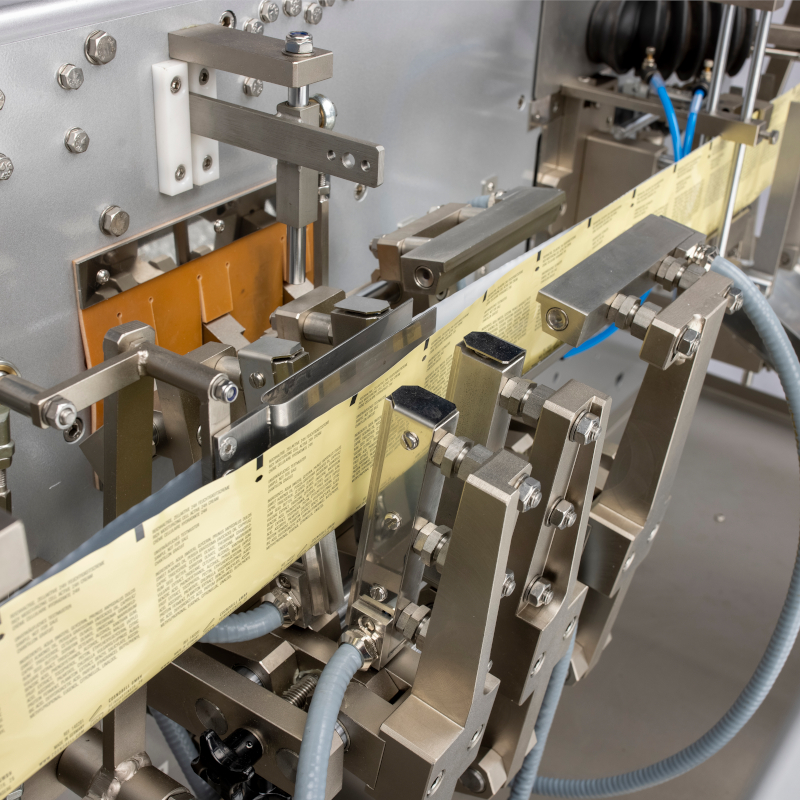
When the packaging format changes, the machinery requirements may also change.
The transition from a traditional single-dose solution to a doypack, ZIPPER or REFILL format may involve new requirements at different stages of the process:
Forming → filling → dosing → sealing → inspection → handling
For this reason, adapting to the new packaging landscape should not be approached solely from the perspective of the material or packaging design.
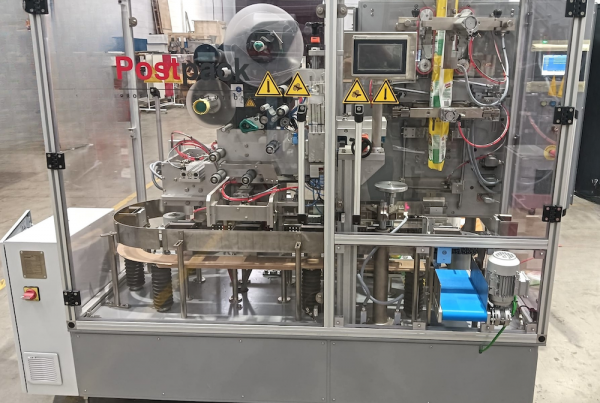
It also requires analysing the packaging technology needed to produce this new format reliably, flexibly and efficiently.
And this is precisely where technological innovation plays a fundamental role.
At Postpack, we believe in machinery that evolves with the market
At Postpack, we understand that packaging machinery cannot remain on the sidelines of the evolution of packaging.
Our customers need solutions capable of adapting to new formats, new materials and new production requirements.
That is why we continuously work on the evolution of our technologies and the development of new flexible packaging solutions.
Doypack, ZIPPER and REFILL formats are part of a market that will continue to evolve over the coming years.
And this evolution requires machines capable of supporting manufacturers throughout this process.
Innovation is also about how we produce new packaging formats
The development of new formats does not only pose a challenge for packaging design. It also creates new opportunities for packaging machinery.
At Postpack, we are working precisely in this direction, developing solutions that enable our customers to adapt to new market trends and explore new flexible packaging formats.
Very soon, we will present a new machinery solution aimed at the REFILL market, designed to respond to this evolution and to the new opportunities emerging in the sector.
The change has already begun
The PPWR establishes a transformation framework that will extend over the coming years.
For the industry, this represents a challenge.
But it is also an opportunity to review processes, upgrade lines, develop new formats and invest in more flexible and efficient packaging technologies.
At Postpack, we are ready to support our customers throughout this process.
Because the future of packaging is not only about complying with regulations.
It is also about innovating to find new ways of producing, packaging and responding to market needs.
Because when packaging changes, machinery evolves too.
And we want to evolve with it.
Are you considering adapting your packaging format or upgrading your packaging line?
Contact our team and we will explore the possibilities with you.
* This article is based on Regulation (EU) 2025/40 on packaging and packaging waste (PPWR) and on information published by the institutions of the European Union.